
Laundry Detergent for Workwear: How to Wash Out Odours, Dirt and Grease

Workwear often needs more than a quick refresh. It builds up sweat, dust, dirt, food or industrial grease, and sometimes odours that come back after a normal cycle. That's why a laundry detergent for workwear should be used together with the right preparation: stain pre-treatment, a suitable programme and a drum that isn't overloaded. This guide explains how to identify the type of soiling, how to treat it before washing and which temperature to choose.
First, identify the problem
Not all workwear is the same. Office shirts after a long day have one problem — sweat and deodorant residue. Kitchen or warehouse clothing may carry grease, dust or dirt. Work trousers from the garage or garden may have oil, tar or soil on them. Each problem needs slightly different preparation.
| Work environment | Typical soiling | What to do before washing |
|---|---|---|
| Office, retail | Sweat, deodorant marks on collars and underarms | Treat collars and underarms with liquid detergent |
| Kitchen, food production | Food grease, cooking oil, food smells | Work detergent into stains, leave for 15–30 min |
| Warehouse, construction | Dust, soil, cement or plaster dust | Let dry, shake out outdoors, brush off |
| Garage, workshop | Machine grease, motor oil, tar | Separate stain treatment by type |
| Garden, farm | Soil, grass, strong odours | Shake out, soak, wash separately |
If the problem is oil or tar, use a dedicated guide: stain removal by type or the specific article on grease, tar and asphalt stains on clothes.
Why does workwear often need pre-treatment?
If a stain or odour has already set in, the detergent needs time to work. Rather than pouring twice as much product into the drum, it's better to apply some of it directly to the problem area and leave it before washing, as far as the fabric allows.
Food grease and cooking oil
Blot off the excess with kitchen paper, then apply liquid detergent directly to the stain, work it in with your fingers or a soft brush and leave for 15–30 minutes. An enzyme detergent helps break down fatty and protein-based soiling. You'll find more methods in the article How to remove oil and grease stains.
Machine grease and motor oil
Mineral-based grease is different from food fats and is harder to remove with a normal wash. First, carefully scrape off the excess, then treat the stain with washing-up liquid or liquid detergent, leave it for about 30 minutes and only then wash. Old grease stains may need several treatments.
Sweat and odours
Treat collars, cuffs and underarms with detergent before washing. For a strong smell, soak the garment for 30–60 minutes in lukewarm water at about 30 °C with a small amount of detergent. For sweat odour, it's worth following the article Laundry Detergent for Sweat Odour.
Dust and dirt
Let wet mud dry first, then shake or brush it off — rubbing wet dirt only pushes it deeper into the fabric. Shake off cement and plaster dust outdoors so that as little as possible ends up in the washing machine.
How to wash workwear in practice
- Shake off dirt and dust before putting items in the washing machine.
- Empty the pockets — screws, nails or pencils can damage the drum and the fabric. Close zips and Velcro and turn garments inside out.
- Pre-treat grease stains before washing.
- Don't wash very dirty workwear together with everyday clothes.
- Choose a longer programme if odours or dirt are heavy and, if possible, add an extra rinse.
- Don't overload the drum — work fabrics are often heavier. Fill it no more than about two-thirds full.
Temperature by fabric
| Fabric | Temperature | Note |
|---|---|---|
| Cotton, denim | 40–60 °C | A longer programme for heavy dirt |
| Polyester-cotton blends | 40 °C | Washing too hot causes more creasing |
| Hi-vis clothing with reflective strips | As per the label | No bleach; use fabric softener only if the label allows it |
| Protective clothing with special coatings | Strictly as per the manufacturer | Some coatings don't tolerate fabric softener or high temperatures |
An enzyme detergent works from 30 °C, but for heavily soiled workwear it's often worth choosing 40 °C and a longer programme, if the label allows.
Which laundry detergent should you choose?
For workwear, a liquid laundry detergent is convenient because it can also be applied directly to a stain before washing. If the fabrics are dark or coloured, avoid harsh bleaches unless the label clearly allows them.
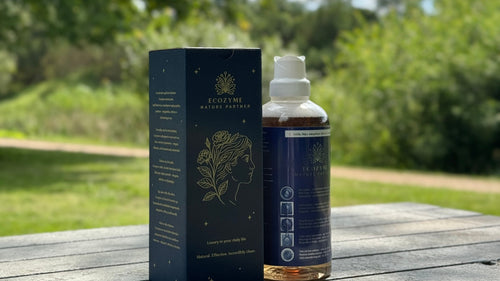
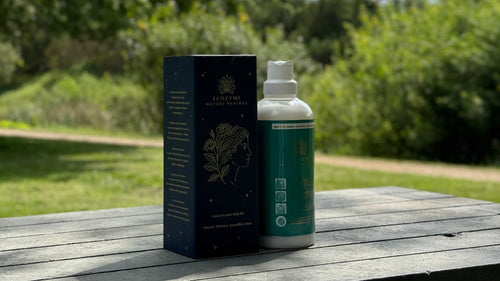
Ecozyme enzyme detergent, for example, works both for pre-treatment and in a normal cycle, is effective from 30 °C and suits most fabrics except wool and silk. For woollen thermal base layers, which some people wear under their work clothes, use a product made for wool.
For heavily soiled clothes, use a larger dose in line with the pack instructions, but not a double one — our guide to dosing laundry detergent explains how to get it right. If white marks or product residue remain on your clothes, the dose may be too high. In that case, the article Detergent Residue on Clothes will help.
Drying and safety
Dry workwear straight after washing, ideally outdoors or in a well-ventilated room. Damp clothes left in a pile quickly start to smell musty.
Important: clothes soaked in oil, machine grease or solvents can be flammable when heated. If the fabric still smells of grease or oil after washing, don't put it in the tumble dryer — let it air-dry and wash it again.
After very dirty loads, it's worth cleaning the washing machine filter and running an empty hot programme from time to time. The article Washing Machine Care: How to Clean It at Home explains how.
Common mistakes
- Doubling the detergent instead of pre-treating. The excess rinses out poorly, and the stain stays.
- Mixing workwear with everyday clothes. Dirt, dust and odours transfer to the rest of the laundry.
- An overloaded drum. Heavy fabrics can't move, so the water and detergent don't reach them properly.
- Rubbing wet mud. The dirt only works its way deeper into the fibres.
- Tumble drying before the stain has gone. Heat can set the stain, making it much harder to remove later.
Frequently asked questions
How often should workwear be washed?
Shirts and blouses worn every day should be washed after each wear. Overalls and work trousers can be washed when they're visibly dirty or start to smell, usually every few days. Kitchen clothing with food grease is best washed often, before the grease sets in.
Can workwear be washed together with everyday clothes?
Lightly soiled office clothes — yes. Wash muddy, dusty or greasy workwear separately so that dirt and odours don't transfer.
Why does the smell come back when the garment warms up?
Usually, sweat or grease residue has remained in the fibres because the programme was too short or the dose too small. Pre-treatment, soaking and a longer programme help.
Can I use bleach on workwear?
Chlorine bleach is only suitable for white cotton fabrics, and only when the label allows it. Don't use it on coloured or dark workwear, and never mix it with other products.
Summary
Workwear soiling depends on the work environment, so first identify what you're dealing with: sweat, food grease, dust or machine grease. Then comes pre-treatment, the right temperature, a drum that isn't overloaded and thorough drying. For workwear, what matters most isn't simply more product, but the right preparation and the right laundry detergent.